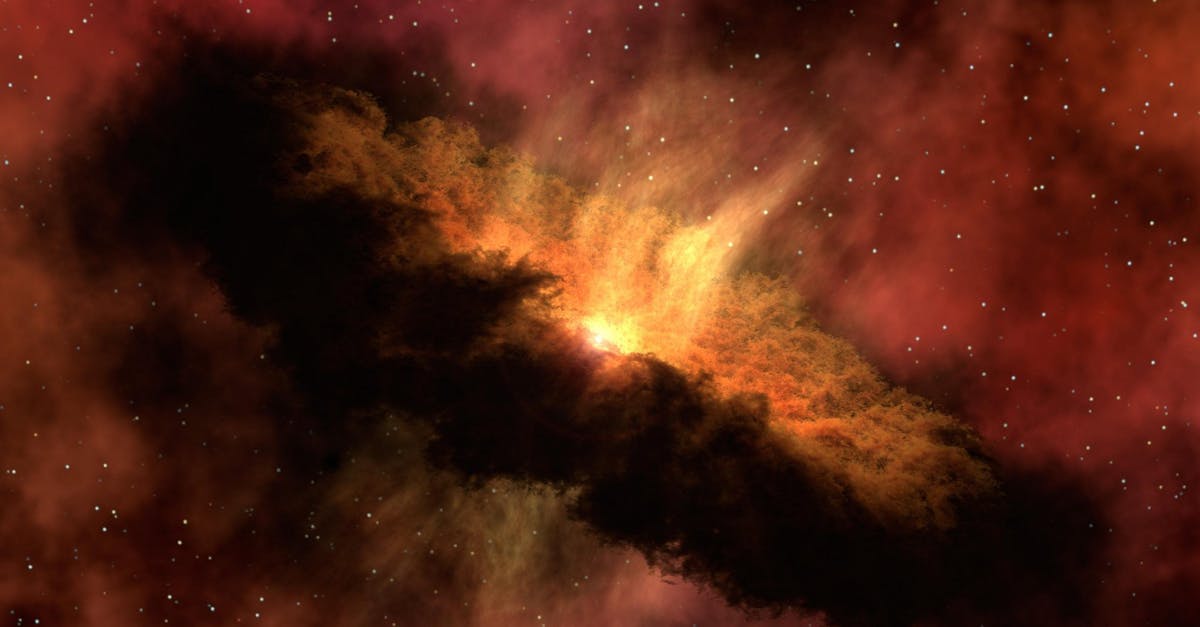
A newly built three-dimensional model shows that shadows change the chemistry inside stellar nurseries, the clouds of gas and dust where stars form. Phys.org reported the finding on Friday, October 16, 2026.
According to Phys.org, the model reveals how shadowed regions reshape chemical processes in these environments. The report presents the work as a three-dimensional approach, suggesting that the geometry of light and dark within a stellar nursery matters for the chemistry that unfolds there.
Stellar nurseries are the dense clouds where new stars take shape, and their chemistry is tied to the conditions within the gas and dust. Phys.org's account centers on the idea that shadows are not a minor detail in that setting but a factor that alters the chemistry. The report frames the model as a way of showing how those shadowed zones differ chemically from areas that receive more light.
The summary from Phys.org does not include the names of the researchers, the institutions involved, or the journal where the work appears, and it gives no specific chemical compounds or measurements. Those details were not available in the material provided.
What to watch next: whether the team behind the model publishes the full study, including the methods used to build it and any observational tests that could confirm its predictions about chemistry in star-forming clouds.